
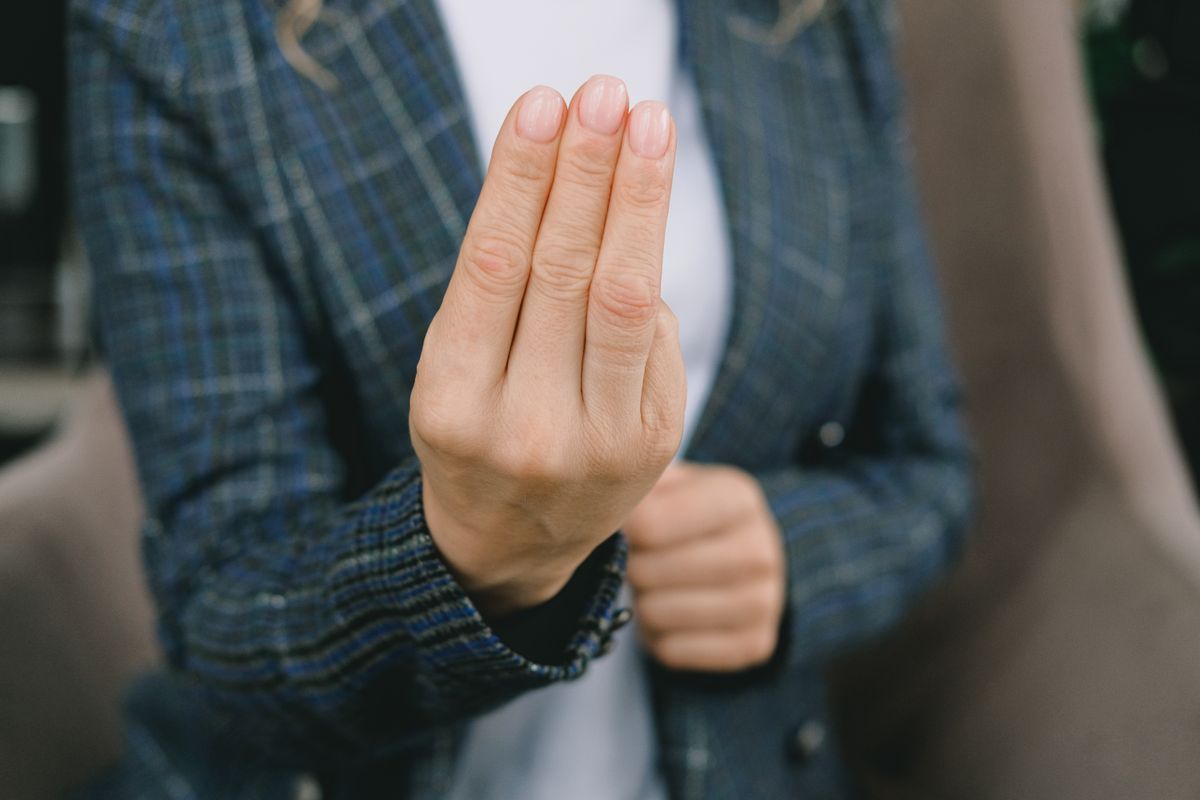
Body language tips for networking: what actually works
Most body language advice for networking is oversimplified. Here's what the evidence actually suggests about how non-verbal signals affect professional connection.
FirstMove Team
16 January 2026 · 6 min read
The internet is full of body language advice for networking that ranges from useful to pseudoscientific. "Power pose before your pitch." "Mirror the other person's posture." "Maintain exactly 3 seconds of eye contact." Much of this is presented with more certainty than the evidence supports.
Here's a more grounded take, focused on what actually seems to matter and why.
What body language is actually doing
Non-verbal communication serves several functions simultaneously. It signals your internal state (confident, anxious, engaged, distracted). It regulates the conversation (who speaks, when, how long). It communicates interest and engagement. And it creates, or fails to create, a sense of psychological safety that allows genuine exchange to happen.
The body language tips that matter most are ones that serve these functions. The ones that don't, the performative techniques designed to project a particular impression, are less useful because they're disconnected from authentic behaviour, and authenticity tends to come through regardless.
What actually matters
Physical orientation. Turning your body toward someone is a fundamental signal of engagement. People naturally orient toward things they're interested in and away from things they're not. Consciously ensuring your body is turned toward the person you're talking with signals genuine attention, which most people respond to positively.
Eye contact, the real version. Eye contact that's natural and responsive, maintaining it when you're listening, breaking it naturally when you're thinking, making it when you're making a specific point, creates connection. Eye contact that's held rigidly because you've been told to maintain it for a specific duration doesn't.
What you do when you're not talking. The quality of your listening is visible in your non-verbal behaviour. Nodding, leaning slightly forward, brief expressions of engagement, these communicate that you're actually absorbing what's being said. People know when they're really being listened to, and it's one of the most rapport-building things that can happen in a conversation.
Stillness and calm. Fidgeting, checking your phone, scanning the room while someone is talking, these signal inattention or discomfort. The ability to be still and present is a genuine social skill that most people find appealing in a conversational partner.
What's overblown
The handshake. There's an enormous amount of advice about handshakes, firm but not crushing, two pumps not three, match their grip. In most professional contexts, a normal, natural handshake is fine. The variations people agonise over are rarely as significant as the conversation that follows.
Mirroring. The idea that matching someone's posture creates rapport has some research support, but when done consciously it tends to feel artificial. Natural mirroring happens when you're genuinely engaged, it's an effect of connection, not a cause of it.
"Power poses." The original research on this has not replicated well. Striking expansive poses in bathrooms before meetings is probably not doing what it's claimed to do.
The authentic baseline
The most important thing to understand about body language in networking contexts is that it tends to reflect your internal state accurately regardless of what you try to project. People are quite good at reading genuine engagement vs. performed engagement, even if they can't articulate exactly what they're reading.
This means the most effective body language intervention is actually internal: genuine curiosity about the people you meet. When you're actually interested in someone, your body language tends to communicate that naturally. When you're not interested but trying to appear as if you are, the disconnect is often visible.
Managing anxiety in the body
One area where conscious attention to body language does help is in managing the physical symptoms of social anxiety. Shallow breathing, tensed shoulders, a constricted posture, these are anxiety signals that can both reflect and amplify the anxiety itself.
Deliberately slowing your breathing, dropping your shoulders, and giving yourself permission to take up a bit of space can help interrupt the anxiety feedback loop. These are not performances for the benefit of others, they're tools for regulating your own nervous system so the anxiety is more manageable.
The space between people
One practical thing: pay attention to physical proximity. Standing slightly too close is uncomfortable for most people; standing slightly too far makes conversation feel formal or effortful. Finding the natural conversational distance, typically arm's length in Western professional contexts, varying with culture, is a small but real factor in how comfortable the conversation feels.