
What Is Event Networking? A Beginner's Guide
Event networking is more than exchanging business cards. Here's what it actually means, why it matters, and how to approach it in a way that actually works.
FirstMove Team
10 October 2025 · 6 min read
"Event networking" sounds like corporate jargon, and in some contexts it is. But the underlying idea, meeting interesting people at live gatherings, is one of the oldest and most valuable things humans do.
Here's a clear explanation of what event networking actually means, why it's worth taking seriously, and how to approach it in a way that doesn't feel like work.
The basic definition
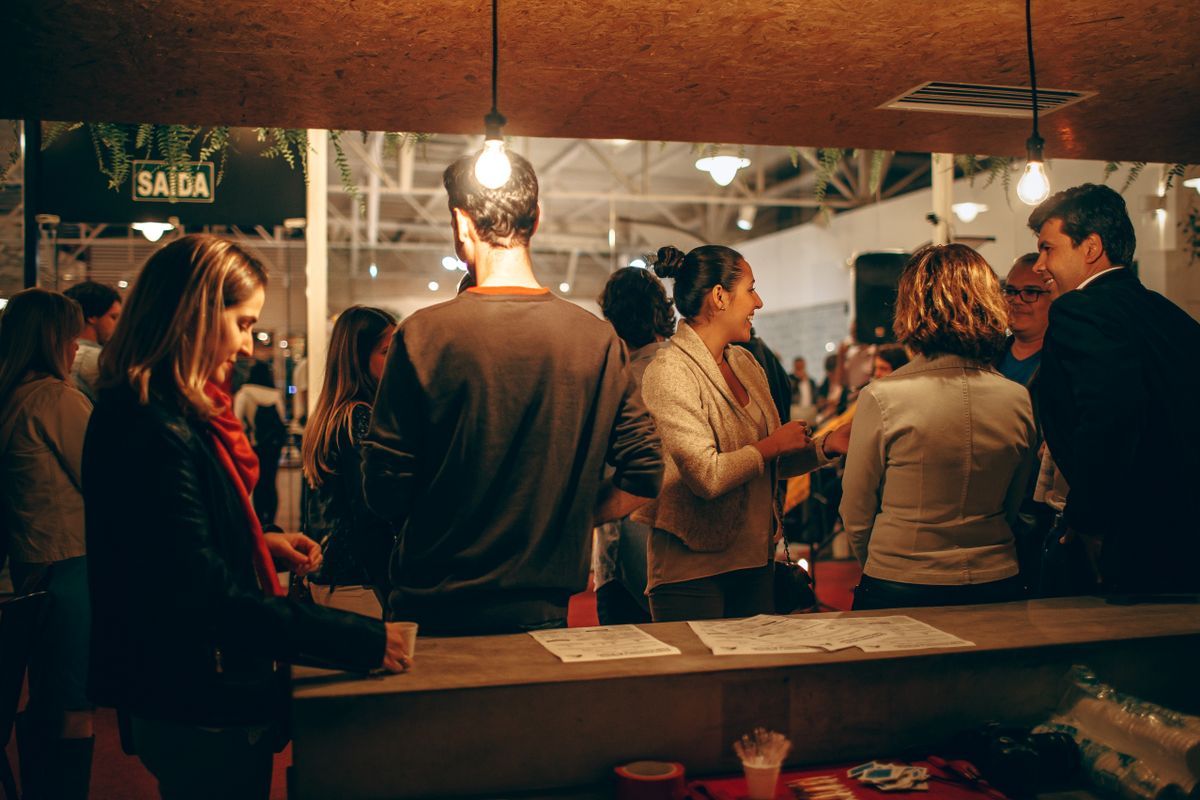
Event networking is the practice of meeting and forming connections with other people at a live event. The event could be professional (a conference, an industry meetup, a trade show) or social (a festival, a concert, a community gathering, a nightlife event).
The "networking" part simply means that you're not just attending the event. You're also using the opportunity to expand your social or professional circle.
Why events are a good place to network
Compared to trying to meet people through digital channels, live events offer significant advantages.
Shared context: you're both there for the same reason. That common ground makes conversation natural.
High information density: in a five-minute conversation at an event, you gather more information about someone, how they present themselves, their energy, their interests, than you might from weeks of digital exchange.
Serendipity: the person you end up talking to might not be someone you'd have found through a directed search. Events create happy accidents.
Lower friction: the social norms at events, particularly professional events, explicitly invite introduction and conversation. Talking to strangers is expected.
Types of event networking
Event networking takes different forms depending on the context.
Professional networking at conferences, industry events, and seminars focuses on career development, knowledge sharing, and finding collaborators or clients.
Social networking at festivals, concerts, and community events focuses on expanding your social circle, finding people who share your interests, having interesting conversations.
Hybrid networking at events that blend professional and social elements: many startup events, creative industry gatherings, and community-professional crossovers fall into this category.
The skills and approaches are similar across all three, though the goals and tone differ.
What event networking is not
It's not collecting contacts. The number of business cards you hand out or profiles you connect with is not a measure of networking success. Depth beats breadth.
It's not performance. You don't need a polished personal pitch or an agenda for every conversation. Genuine curiosity and openness to connection are more useful than any script.
It's not only for extroverts. The perception that networking requires natural social confidence is limiting and largely wrong. Many of the best networkers are introverts who are thoughtful, curious, and genuinely interested in others.
The role of technology
Technology has changed event networking in several ways. Apps like FirstMove make it possible to identify who else is at an event and open to connecting, before you approach anyone. The Mutual Handshake feature means both people opt in before any contact is made, reducing the awkwardness of the initial approach.
Tools like LinkedIn Events allow pre-event research and post-event follow-up. Event-specific apps from conferences sometimes include attendee directories and meeting scheduling features.
The best technology acts as a layer that lowers friction, not a replacement for the human interaction itself.
The follow-up
Event networking only produces lasting value if there's a follow-up. Meeting someone at an event and not following up is like starting a book and not finishing it. The connection was made; you just never used it.
A short, specific message within 48 hours of the event is usually enough to consolidate an event connection into an ongoing relationship.
Getting started
If event networking is new to you, start small. At your next event, aim for one real conversation with someone you don't know. Ask a genuine question. Listen to the answer. See where it goes.
You don't need to "work the room" or hand out twenty cards. One meaningful conversation at each event, consistently, will compound significantly over time.