
Festival Wellness Guide: How to Look After Yourself on Site
Festivals are physically demanding, emotionally intense, and often poorly managed from a health perspective. Here's what actually helps.
FirstMove Team
23 January 2026 · 7 min read
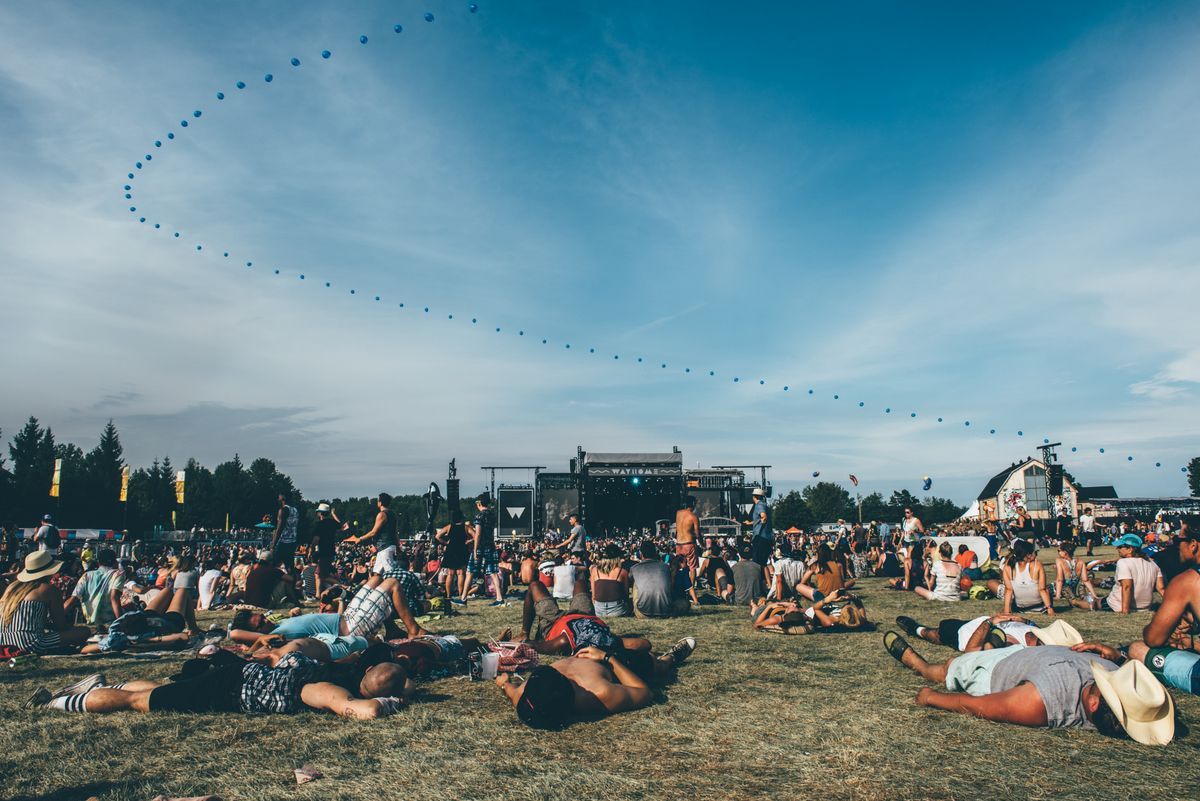
The concept of wellness has a complicated relationship with festival culture. On one hand, festival marketing increasingly features yoga stages, meditation tents, and cold-water immersion. On the other, the practical reality of festival attendance involves sleep deprivation, unpredictable food, significant physical exertion, and the collective abandonment of normal self-care routines.
The wellness advice that's most useful at festivals is not the aspirational kind. It's the practical kind — the specific decisions that affect whether you feel functional and human at the end of four days, or destroyed.
Sleep
Sleep is the biggest determinant of festival experience quality, and it's the element most consistently sacrificed. The reasoning is understandable — you've spent a lot of money to be here, late-night programming is some of the best, staying up feels like part of the experience. All of this is true. It's also true that sustained sleep deprivation compounds rapidly and produces a qualitative deterioration in everything: mood, decision-making, physical resilience, enjoyment of the music you're here for.
The practical advice is not to go to bed early every night. It's to pick your late nights deliberately rather than by inertia. If there are two or three acts across the weekend that are genuinely worth staying up for, stay up for those. Use the other nights to sleep, even if sleeping feels like a waste. You'll experience the things you care about in a significantly better state.
Earplugs are essential for sleep at any festival campsite that isn't specifically designated quiet. Darkness matters too — an eye mask is underrated if you're camping and the sun rises early.
Hydration and Food
Hydration is simple and commonly ignored. Drink water consistently throughout the day — not just when you're thirsty, because thirst signals lag behind actual dehydration. In warm weather, alcohol increases fluid requirements. The free water points available at most UK festivals are there for a reason.
Food needs are higher at a festival than in normal daily life — you're walking more, you're in an outdoor environment, you're expending more energy. The common festival food pattern of skipping breakfast and eating one large meal late in the afternoon is counterproductive. Regular small food inputs through the day maintain energy levels and moderate the effects of alcohol more effectively than one large meal.
Mental Health Considerations
Festivals can be overwhelming — the noise, the density, the constant stimulation, the social demands. For people who find large, chaotic environments anxiety-provoking, the key is giving yourself permission to step back. Most festivals have green spaces, quieter areas, and points on the periphery of the main action where the sensory load drops significantly. Using these deliberately — treating time in a quieter space as recovery rather than as missing out — makes sustained participation in the busier parts of the festival more manageable.
If you're attending with known mental health challenges, identify the welfare tent at the start of the weekend. Most UK festivals have trained welfare teams who deal with anxiety, panic, and low mood regularly and without judgment. Knowing where they are is useful regardless of whether you need them.
Physical Health
Feet take the most significant punishment at festivals. Good quality footwear and clean socks matter more than most packing lists emphasise. Blisters in the first day can produce four days of misery; preventing them is worth the space in your bag.
Sun exposure is managed better by practical planning than by optimism. Apply sunscreen before you leave the tent, not when you notice you're burning. A hat makes a more reliable difference than sunscreen alone.
Staying aware of your alcohol consumption rate is a practical wellness measure rather than a moral one. Pace decisions made after several drinks produce outcomes you'll spend the following day managing.
The Recovery After
Festival recovery is real and predictable — two to three days of elevated tiredness, potential immune vulnerability (you've been in a large crowd, sleep-deprived, and exposed to variable weather), and the particular flatness that follows intense shared experience. Planning for lighter activity in the immediate post-festival days is sensible preparation rather than weakness.