
Free Social Events in London 2026: Where to Go When You're Skint
London is expensive and its free social infrastructure is underused. Here's where to find social events in London that don't cost anything — and are actually worth attending.
FirstMove Team
27 November 2025 · 7 min read
The standard narrative about London's social life is that it's expensive. This is partly true — a round of drinks in central London can cost more than a meal in most UK cities — and partly misleading. London has extensive free social infrastructure that most residents dramatically underuse. The people who navigate London's social scene on a tight budget tend to know where to look; most people don't.
Parkrun
London has over 100 parkrun locations, covering nearly every borough in the city. Parkrun is genuinely free, happens every Saturday morning, and has one of the strongest community cultures of any social institution in the country. The post-run café stop is by convention rather than compulsion, but it's where the actual social life of parkrun happens. Registering at parkrun.org.uk is required once; after that, just show up.
The social quality of parkrun is consistently underestimated. The same faces appear every week, across a wide age range and ability level, with a culture of warmth and welcome that's unusual in the context of running events specifically and London generally.
Free Museum and Gallery Events
London's major national museums — the British Museum, the Victoria and Albert, the National History Museum, the National Gallery, the Tate Modern and Tate Britain — are free admission. This is widely known. The less-known element is the event programming that many of these institutions run: late openings, talks, film screenings, and social events that are free or low-cost and draw engaged, interested audiences.
The V&A's Friday late openings are a social event as much as a cultural one — the crowd is specifically there for the combination of culture and socialising. Tate Modern's similarly programmed late evenings attract a consistent audience with genuine cultural interest.
Local and community galleries are less known but often more socially accessible — smaller, more local, with events that draw neighbourhood communities rather than city-wide crowds.
Community Events and Markets
London's community event landscape is substantial. Most borough councils maintain events listings. Nextdoor and local Facebook groups are active in most London neighbourhoods. The community calendar that doesn't appear on mainstream event platforms is often the most genuinely local and most socially productive.
Markets — particularly those that are primarily about community rather than tourism — provide consistent social infrastructure. Broadway Market in Hackney on Saturdays has genuine local community character. Maltby Street Market in Bermondsey is similar. The community markets that haven't yet become Instagram destinations are the ones worth seeking.
Free Standing Events
Speakers' Corner in Hyde Park on Sunday mornings is a London social institution that most Londoners have never attended. The social energy — people debating, arguing, laughing — is unusual and more genuinely Londony than most of the city's curated events.
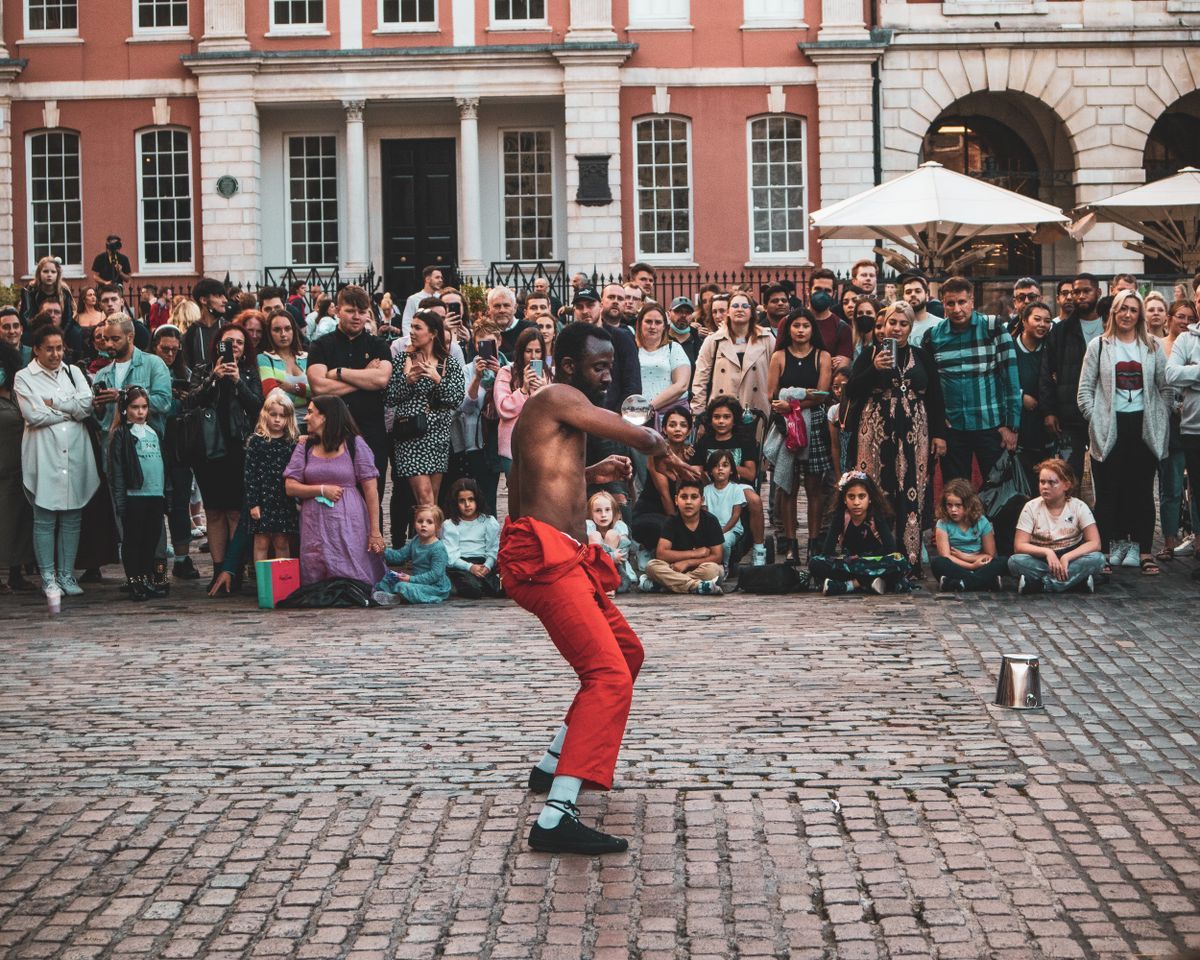
Outdoor film screenings, free concerts in parks during summer months, street festivals in various neighbourhoods — London's calendar of outdoor and free events in the summer months is extensive. The Southbank Centre's outdoor programme is substantial. The City of London's summer events programme includes free outdoor concerts and performances.
Low-Cost Social Infrastructure
Beyond free, the low-cost social infrastructure worth knowing includes: Meetup groups that meet in public spaces for free activities (walking groups, language exchange, outdoor fitness); community choir and choir groups that charge minimal participation fees; the networks of voluntary and community organisations that provide activity-based social infrastructure at low or no cost.
The barrier to engaging with this infrastructure is primarily knowledge of what exists and willingness to attend unfamiliar things. The cost barrier is minimal once you know where to look.