
Glastonbury 2026: Everything First-Timers Need to Know
Glastonbury is overwhelming, expensive, and unlike any other festival. Here's what first-timers actually need to know — not the romantic version.
FirstMove Team
14 December 2025 · 8 min read
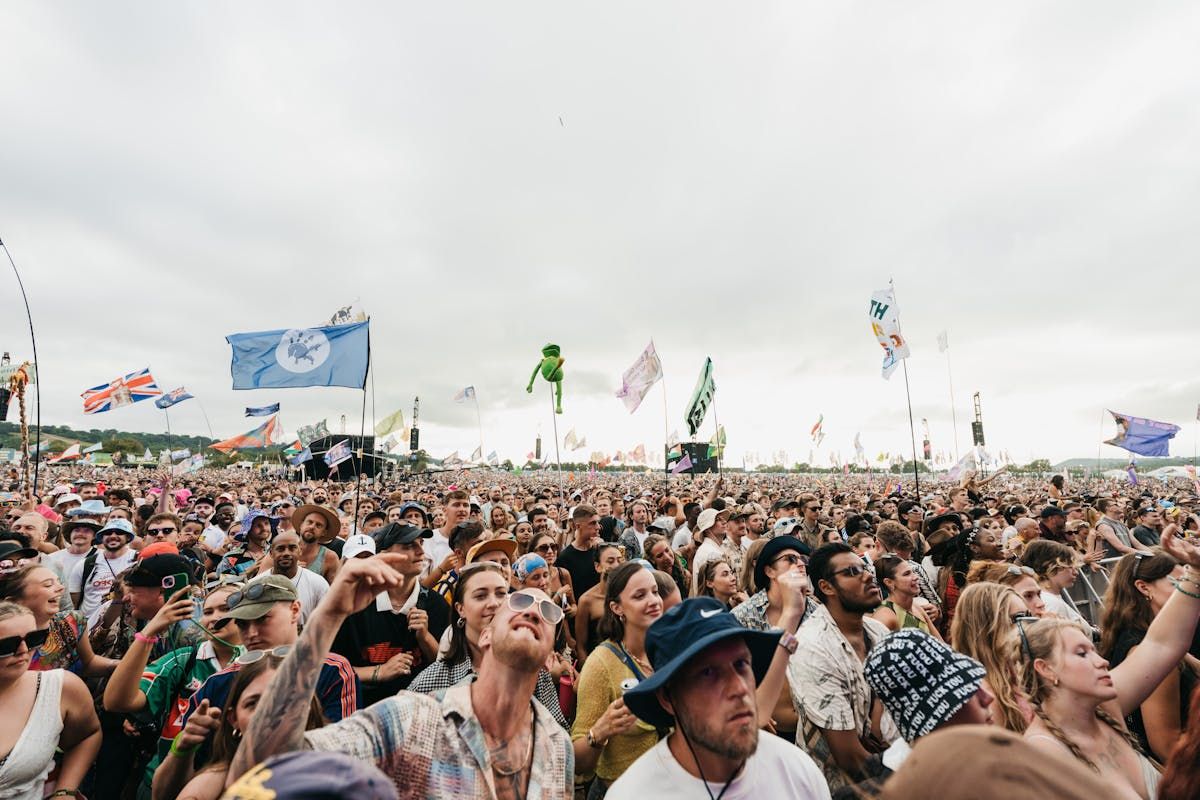
Glastonbury is not like other festivals. The scale alone — approximately 210,000 people across roughly 900 acres — puts it in a different category. The site has its own internal geography, its own social dynamics, its own micro-climates, and its own rules that years of attendees have learned through experience. If you're going for the first time in 2026, there's a substantial amount of useful information and an even larger quantity of romantic mythology. Here's an attempt at the former.
Getting Tickets
The registration and ticket ballot system remains unchanged. You need to register your photo on the Glastonbury website (free) before a sale, then attempt to buy during the October or November sale windows that typically sell out in under an hour. Coach and car packages are available alongside standard camping tickets.
If you don't get tickets in the main sale, resale takes place around spring. The face value for 2026 is expected to be around £350 plus booking fee. The unofficial secondary market exists but prices are significantly higher and the risk of fraud is real — Glastonbury tickets are linked to your registered photo ID.
The Stages
The Pyramid Stage is the headline stage and the one most first-timers fixate on. Getting within viewing distance of the barrier for a popular headliner requires arriving hours early. The sound and atmosphere are excellent further back in the field; most experienced attendees don't spend energy fighting for the front.
The Other Stage runs parallel acts throughout the festival and is easier to navigate than the Pyramid. The Park Stage is consistently excellent for music discovery. The John Peel Stage hosts the best late-night acts. West Holts carries the best jazz, soul, and world music programme.
The real Glastonbury experience, for most veterans, is found on the peripheries: Shangri-La, the Block 9 area, and the Unfairground provide late-night electronic music and theatrical spectacle in a landscape that's unlike anything else in UK festivals. These areas don't fully open until after midnight.
Camping
The camping areas at Glastonbury are vast, and where you camp significantly affects your experience. Camping near the festival entrance allows easy exit but a long walk to everything else. The areas near the stages are convenient but noisy through the night. The campervan fields are more comfortable but sold separately.
The practical advice: arrive as early as you can on the first day, bring a good waterproof tent (assume rain regardless of the forecast), and establish a meeting point near a fixed landmark with everyone you're attending with. Phone signal is poor and unreliable during busy periods.
What to Bring
The packing list that actually matters: wellies (non-negotiable for any UK summer festival), a quality waterproof jacket, a portable battery pack for your phone, cash (ATMs run out of notes), toilet paper, a small rucksack for day use, earplugs, and far less clothing than you think you need. The carrier bag situation gets out of hand quickly.
What people consistently bring too much of: cooking equipment (the food offering is excellent and reasonably priced for a festival), alcohol (you can buy on site; carrying it in is heavy and the bag-check queues are long), and optimism about weather.
The Social Experience
Glastonbury is one of the few events in UK culture where large numbers of strangers talk to each other without it being unusual. The scale of the event, the shared context, and the general mood of the thing create social conditions that are more open than everyday life. First-timers often comment on this as one of the more surprising aspects of the experience.
The flip side is that the scale makes it easy to lose people and difficult to coordinate. Agree on meeting points before you arrive. Lower your expectations for perfectly coordinating with friends. The festival tends to work better when you accept a degree of improvisation.