
What Is a Mutual Handshake in Social Apps?
The Mutual Handshake is FirstMove's consent mechanism — and a broader principle for how social apps should handle connection. Here's what it means and why it matters.
FirstMove Team
6 October 2025 · 5 min read
Most social apps allow one-sided contact: anyone can message you, follow you, or view your profile without your knowledge or consent. This is so normalised that many people don't question it.
But one-sided contact creates predictable problems: unsolicited messages, harassment, the social obligation to respond to people you didn't invite into your life. The Mutual Handshake is a design approach that addresses these problems at the root.
What is a Mutual Handshake?
A Mutual Handshake is a connection model where both parties have to independently express interest before any contact is made. Neither person knows the other is interested until the interest is mutual, at which point the connection is established and both people are notified.
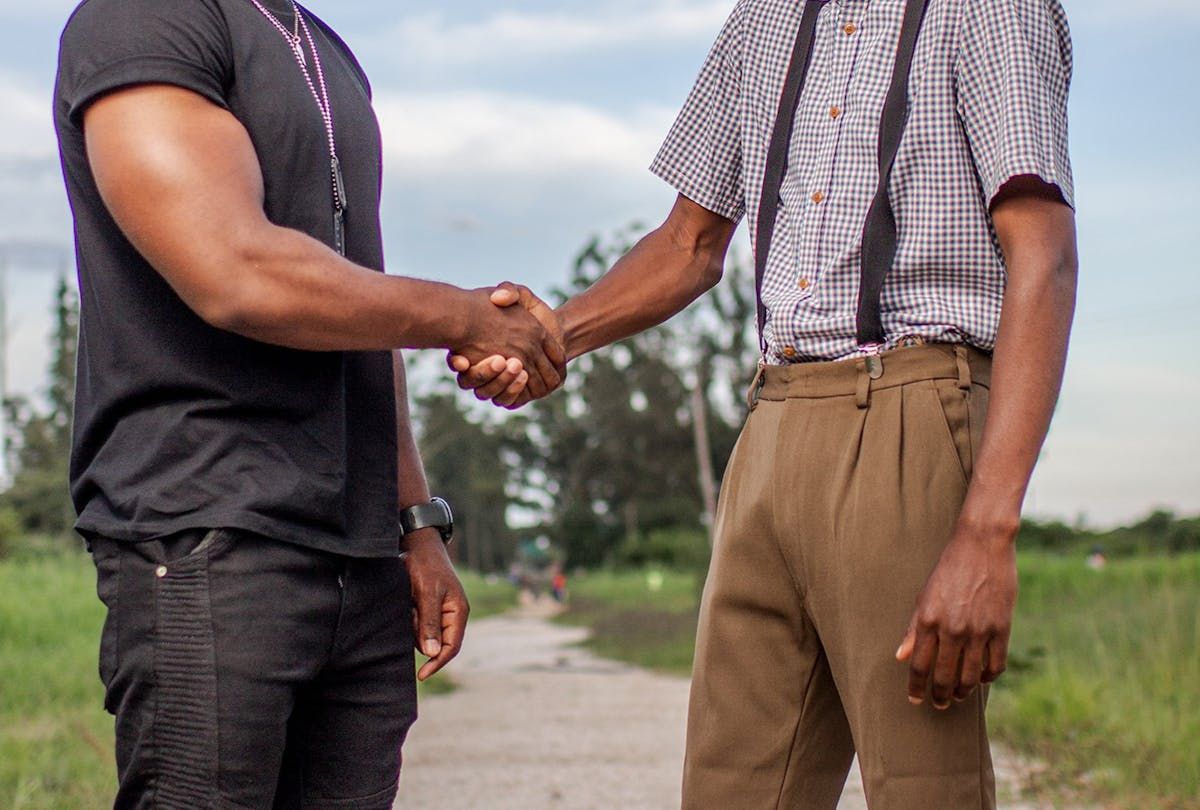
Think of it like this: you extend your hand, the other person extends theirs, and only when both hands reach each other does the connection happen. Neither party is forced to accept or decline a visible request from the other.
How FirstMove implements it
In FirstMove, the Mutual Handshake works as follows. You're both present at the same event (within the same VibeZone). You browse the attendees visible to you and express interest in connecting with someone. They, independently, express interest in connecting with you. Only when both expressions of interest exist does the connection complete. Both of you are notified that the other wants to connect.
At no point does either person receive an unsolicited request. You don't see that someone has expressed interest in you until you've also expressed interest in them. This removes the social pressure of receiving an unwanted approach.
Why this model is better than alternatives
Versus one-sided follow/message models (Instagram, Twitter): these create a one-sided dynamic where anyone can initiate contact. The recipient has to manage unwanted attention. The Mutual Handshake removes this entirely.
Versus matching systems (Tinder, Hinge): matching apps show you cards to swipe on and reveal when you've both liked each other. This is similar in structure but comes with dating-app framing that creates romantic pressure even for platonic connections.
Versus connection requests (LinkedIn, Facebook): these require you to explicitly accept or decline a visible request, which creates social obligation. It can feel rude to decline, and ignoring requests is its own awkward dynamic.
The Mutual Handshake is unique because neither person knows the other expressed interest until the interest is mutual. This eliminates the awkwardness of a pending, visible request.
The privacy implications
The Mutual Handshake also has privacy benefits beyond consent. Because you only become "visible" to people who've expressed interest in connecting with you, your presence at an event is not broadly broadcast.
This is particularly important in sensitive contexts: you might want to connect with people at a specific type of event without your attendance at that event being discoverable by anyone with the app.
The real-world parallel
A handshake in person requires both people to extend their hand. It's a mutual, simultaneous gesture. The digital version replicates this: connection happens when both people reach toward each other, not when one person grabs the other's hand uninvited.
It's a small design choice with significant implications for how comfortable people feel using the platform.
Broader implications for social app design
The Mutual Handshake represents a design philosophy that prioritises user safety and comfort over engagement metrics. Apps that allow unsolicited contact generate more activity, messages, notifications, interactions, which looks good in analytics but produces a worse experience for many users.
Privacy-first design often means accepting lower raw engagement in exchange for higher quality engagement. FirstMove's choice to implement the Mutual Handshake reflects that priority.