
What Makes a Social Event Actually Worth Going To
Not all social events are worth the time and energy they cost. Here's a practical checklist for evaluating whether an event is likely to produce the thing you're actually after.
FirstMove Team
9 November 2025 · 7 min read
Social events carry a cost in time and energy that is real and finite. The evening spent at a disappointing networking event is an evening not spent on something more rewarding. Treating social events as if all of them have equal potential, and attending out of general social obligation, tends to produce a social life that's busy but not particularly satisfying.
A more deliberate approach — evaluating events before committing based on what they're likely to produce — is more efficient and ultimately more satisfying. Here's the framework.
The Format Question
The most important variable in whether a social event produces meaningful connection is the format — specifically, whether the format creates conditions for genuine interaction or leaves this entirely to chance.
Open networking with no structure is the lowest-return format for most people. The social dynamics default to clustering among existing friends and brief surface-level exchanges with strangers. The friction of starting and ending conversations in an unstructured environment is high. Unless you're specifically looking for a general feel of a community and already know several people who'll be there, open networking events are usually not worth the time investment.
Structured events — facilitated conversation formats, activity-based gatherings, events with shared content or purpose — produce better outcomes because the format does some of the social work that would otherwise require individual effort and confidence.
The People Question
The alignment between your genuine interests and the interests of the people who'll be at an event is a strong predictor of whether you'll enjoy yourself and whether the connections you make will have staying power.
Events organised around a specific, genuine interest you hold are more likely to produce meaningful connections than events targeting a demographic (young professionals, people over 35, etc.) without a shared interest. The shared interest is the substance of the connection; the demographic category is often superficial.
The Size and Setting Question
Small events in intimate settings produce more conversation depth per person than large events in loud, crowded venues. The 8–12 person dinner party produces more genuine social return than the 200-person mixer, even if the 200-person mixer has more nominally interesting people.
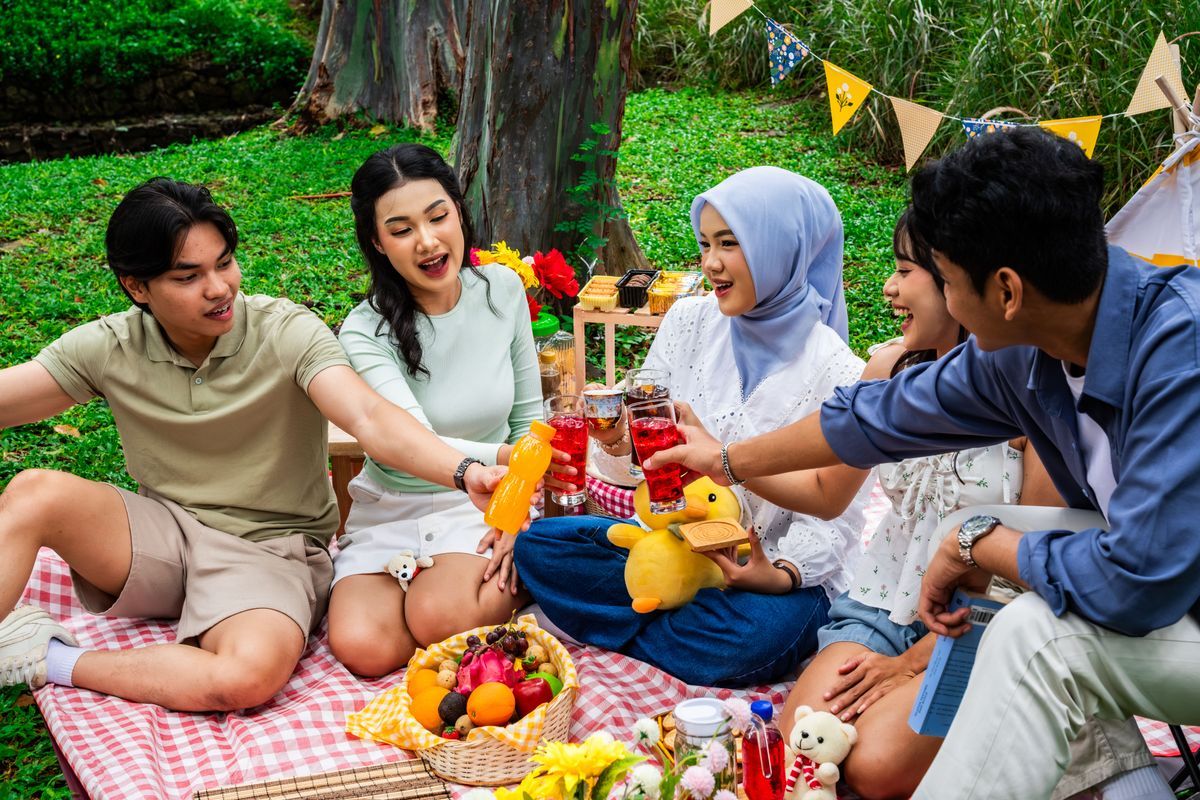
Setting affects whether conversation is physically possible. A bar where you have to shout is not a good venue for the conversations that produce friendship. Events specifically designed for their social environment — the garden, the quiet venue, the smaller space — signal that the organisers understand what they're trying to create.
The Follow-Up Question
Whether the event creates conditions for follow-up is a predictor of whether any connections made will persist. One-off events with mixed attendance — where you may never see the people you meet again — produce fewer lasting connections than events that recur or that have natural follow-up built in.
The best events from a connection-building perspective are either recurring (you'll see the same people again) or have a specific follow-up mechanism — a shared project, a mailing list, a group chat, a next event that's already planned.
The Quick Checklist
Before committing to a social event, four questions worth asking:
Is the format structured or entirely open? Does the event attract people with a specific genuine interest I share? Is the venue and scale conducive to actual conversation? Is there any reason to expect I'd see these people again?
If you can answer positively on three of four, it's probably worth going. If you're answering negatively on all four, the time and energy would likely be better spent on a recurring commitment that already has your answer on all four by design.