
Is Wireless Festival Worth The Ticket Price In 2026?
An honest evaluation of Wireless Festival in 2026: who it's for, what the day-festival format actually delivers, and how to decide if the ticket is worth it.
FirstMove Team
31 May 2026 · 7 min read
Wireless Festival tends to be worth the ticket if you genuinely love the lineup, you're going with people you enjoy queuing with, and you treat it as a stylish London day-festival rather than a weekend camping escape. If you only loosely know the artists, hate crowds in summer heat, or expect the same depth of programming as a multi-day camping festival, you'll feel short-changed. This guide gives you a framework to decide for yourself, without invented prices or unrealistic promises.
What is Wireless Festival, exactly?
Wireless is a London-based day festival that runs across multiple days in the summer, with attendees buying single-day or multi-day tickets and travelling in and out each day. The musical centre of gravity is hip-hop, R&B, drill, Afrobeats and adjacent genres, with international and UK headliners that change each year. The crowd is style-led, social-media-fluent, and skewed towards a younger London and South-East audience.
The key difference from festivals like Reading, Leeds, Glastonbury or Download is the format. There's no camping. You arrive in the afternoon, watch a tightly packed run of artists into the evening, and leave the same night. That single fact changes the whole value calculation.
Who is Wireless actually for?
Wireless is a strong fit if you:
- Genuinely follow the genres on the lineup and recognise the supporting acts, not just the headliners.
- Enjoy the cultural side of festivals: fashion, photos, big production, big crowd energy.
- Live in or near London, or can travel in and out cheaply.
- Like a tight, high-energy day rather than a sprawling weekend.
- Are going with a group, or are confident meeting people in queues and at bars.
Wireless is a weaker fit if you:
- Want a wide musical mix across many genres.
- Find heavily packed crowds uncomfortable.
- Are looking for the loose, all-day, wander-and-discover feel of a camping festival.
- Are budget-sensitive and need every pound to stretch — see our budget UK festival tips for cheaper alternatives.
How to evaluate the ticket price honestly
Rather than quoting figures that change every year, here's a framework that works regardless of what tier you're looking at.
Step 1 — Cost per artist you'd genuinely watch.
Look at the lineup. Count the artists you'd realistically watch a full set of, not just the names you recognise. Divide the ticket price by that number. If the cost-per-artist looks reasonable next to what you'd pay for a single gig by one of those acts, the ticket starts to make sense.
Step 2 — Add the real total.
Wireless costs more than the ticket alone. Add travel to and from the site, food and drink inside, any cloakroom or merch you might want, and the cost of a meal afterwards. People who feel disappointed often forgot to factor this in upfront.
Step 3 — Compare to a single arena gig.
If your favourite artist on the lineup is touring separately within the next year, a standalone arena show might give you a longer, less crowded set with better sightlines. A festival ticket usually justifies itself when you'd watch multiple artists' full sets — not when you're really only there for one name.
Step 4 — Weight the experience, not just the music.
Some people happily pay for the day itself: the atmosphere, the outfits, the social side, the photos, the queue chats, the after-party. If you value that, the ticket is doing more than buying music.
GA vs VIP: what's actually different?
Without inventing specific perks, here's how the GA vs VIP split usually works at large UK day festivals like Wireless.
- GA (general admission) gets you into the festival site and access to the main viewing areas. You queue with everyone else for food, toilets and bars.
- VIP-style upgrades typically offer some combination of: a dedicated entrance, less crowded viewing platforms or areas, separate bars, shorter toilet queues, and sometimes lounge space or hospitality.
VIP is usually worth it for people who hate queuing and have the budget. It's usually not worth it for people who are happy to be in the main crowd and want to be close to the front of the stages. Front-row pit access at festivals is generally a GA experience, not a VIP one, because VIP zones tend to be raised viewing platforms further back.
If you go for VIP, read carefully what is and isn't included. The word covers a wide spectrum across different festivals and tiers.
The realities people don't talk about
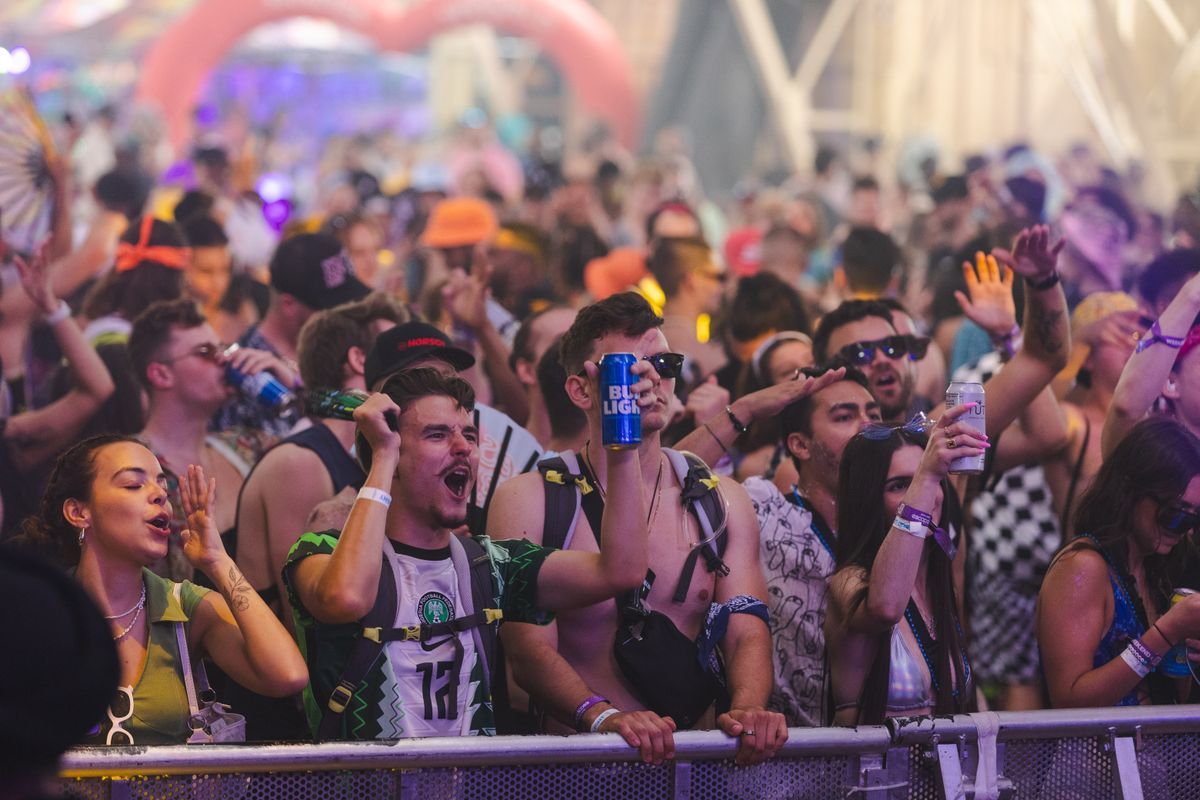
The marketing photos always look like a perfect summer afternoon. The truth is messier and worth knowing.
- Weather — London summers do produce heatwaves and downpours, sometimes in the same day. Sun cream and a light waterproof both belong in the bag.
- Queues — Entry queues into Wireless can be long. So can the bar queues at peak times.
- Phone signal — Drops badly when the site is full. Agree a meeting point with friends in advance.
- Transport home — Public transport from large London parks gets very busy after closing. Build that into your plan.
- Crowd density — Front of the main stage gets tight. If you don't love being squashed, the side angles or further back are far more comfortable.
- Set times shift — Be flexible. The artist you came for might clash with another act you didn't expect to care about.
Practical tips for getting the most out of the day
- Eat properly before arriving. Inside food is convenient but slow.
- Bring a refillable bottle if the site allows it. Festivals are increasingly water-refill friendly.
- Wear shoes you can stand in for eight hours.
- Don't bring anything you couldn't bear to lose.
- Take photos early — phones tend to die by the headliner if you don't ration battery.
- Build a small "set list" of the artists you actually want to watch fully, and accept you'll miss some clashes.
How to decide: a quick checklist
Wireless is worth your ticket in 2026 if you can honestly say:
- The lineup excites me, not just the headliners.
- I'd happily pay close to a single-gig ticket price for the artists I'll watch fully.
- I'm going with people I enjoy spending a long, busy day with — or I'm comfortable meeting new people on the day.
- I've factored in travel, food and drink, not just the ticket.
- A long, hot, packed day in a London park is my idea of a good time.
If three or more of those land for you, the ticket usually pays for itself in memories. If most of them feel like a stretch, save your money for a festival that fits you better.
Can you camp at Wireless Festival?
No. Wireless is a day festival held in London, so attendees travel in and out each day rather than camping on site.
Is Wireless safe to attend alone?
Plenty of people attend Wireless solo, especially for specific artists. If you're new to going solo, our first-time solo UK festivals shortlist may help. As with any large urban event, plan your route home in advance and stay aware of your surroundings.
Is VIP worth it at Wireless?
It depends on what your VIP tier includes and how much you hate queues. If you'd rather be at the front of the main stage, GA is often the better choice. If you'd rather have a calmer base with shorter queues, VIP tends to pay off.
What should I wear to Wireless?
Wireless has a strong fashion culture. Wear something you feel good in but that you can stand and dance in for hours, with shoes that won't punish you by the evening.