
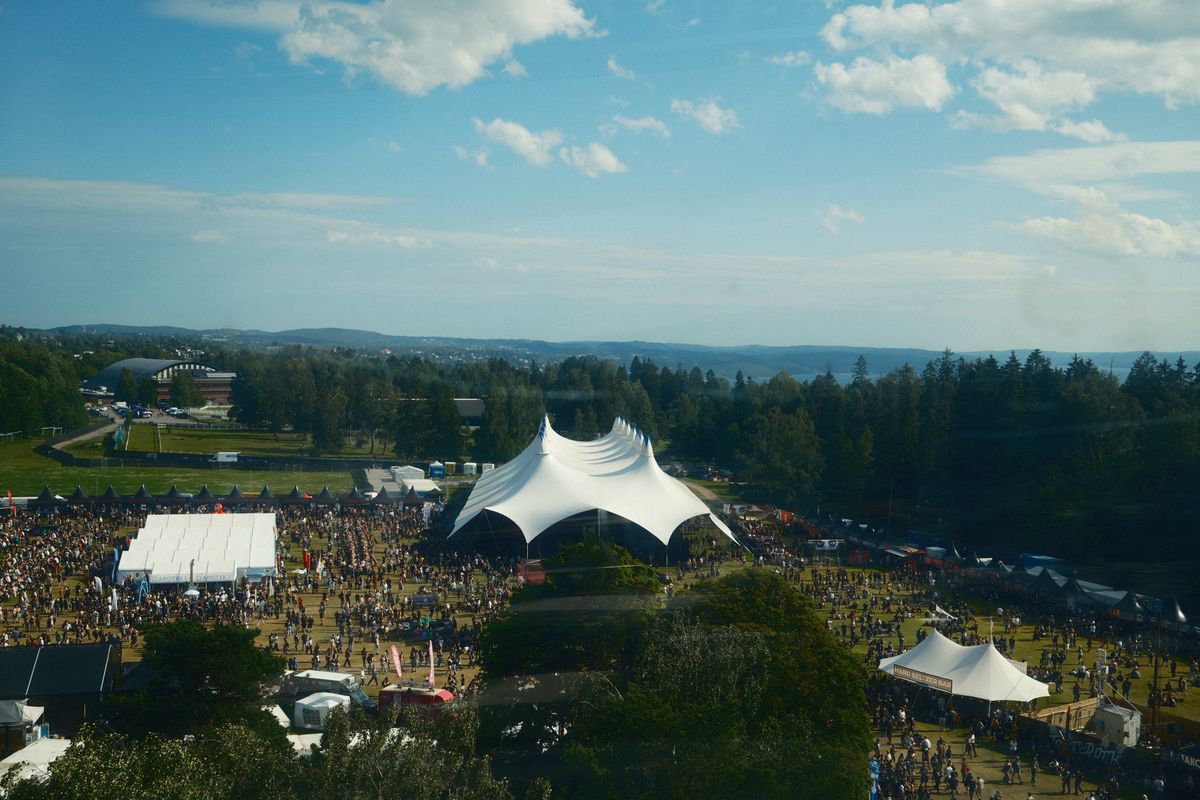
How To Survive Reading Festival As A First-Timer
A first-timer's guide to Reading Festival: camping, the crowd, Sunday energy, what not to bring and how to get in and out without losing your weekend.
FirstMove Team
30 May 2026 · 8 min read
To survive Reading Festival as a first-timer, expect three things: a young, energetic crowd skewed heavily towards students and teenagers, a campsite that gets progressively more chaotic by Sunday, and weather that could go either way. Pack light but smart, arrive early, lock your tent area mentally as a meeting point, and treat Sunday like its own separate festival. Reading rewards people who plan the basics and stay flexible on everything else.
This guide is honest, not glamorous. Reading is brilliant, but it's not a boutique weekend in the countryside.
What's Reading Festival actually like?
Reading is one of the UK's longest-running music festivals, held over the August bank holiday weekend on the same site every year. It runs in parallel with Leeds Festival under a shared lineup. The crowd is famously young — a huge cohort of teenagers and students celebrating the end of A-Level results week, mixed with returning music fans in their twenties. The atmosphere is loud, scrappy and fun, and the campsite culture is part of the experience rather than just a place to sleep.
If you're expecting a relaxed wellness-festival vibe, this isn't that. If you're up for noise, late nights, decent music across rock, indie, pop, hip-hop and dance, and being around people who are properly going for it, Reading delivers.
Getting there and getting in
The journey in is one of the most underrated parts of Reading. People who plan it well start the weekend in a good mood. People who don't spend three hours in a queue with a heavy bag.
- Train is usually the simplest — Reading station is walkable to the site, but the walk is longer than first-timers think. Wear trainers, not flip-flops.
- Coach packages from Big Green Coach or similar — Drop you closer to the gates and save the bag-drag.
- Driving — Workable if you've got a car park pass, painful without one. Traffic on Wednesday and Thursday gets heavy by mid-afternoon.
- Arrive Wednesday if your ticket allows — You'll get better camping ground, more space, and a softer entry into the weekend.
Allow at least an hour for the security and wristband queue at peak times. Have your ticket, ID and bag policy compliance sorted before you join the queue — and check our full UK festival packing list ahead of time.
The camping reality
The campsites at Reading vary in tone. The standard campsites are loud and busy. The quieter family or "chilled" campsites are noticeably calmer, and the upgraded options (boutique, pre-pitched, hotel-style) trade money for sleep.
A few honest things about the camping experience:
- Tents do get trashed by Sunday. People burn them, sit on them, lose track of them.
- The toilets are functional, not pleasant. Bring your own loo roll in a sealed bag.
- Showers exist but the queues are long. Most people get by on wet wipes and dry shampoo.
- Pitch close to a landmark you can find at 2am — a flag, a tree, a portaloo block.
- Pitch with your tent door facing away from the main walkway so you've got privacy.
If you're going as a group, agree on a meeting point that isn't your tent. Phone signal drops when the site is full.
The crowd: who's actually there?
Reading skews young. A huge proportion of the audience are 16 to 21, which gives the festival its specific energy. There are plenty of older festival-goers too, but the cultural centre of gravity is the student-and-school-leaver demographic.
What this means practically:
- The campsite gets rowdier earlier in the evening than at adult-focused festivals.
- Drinking culture is part of the weekend for many attendees, and the volume reflects that.
- The crowds at pop and rap stages can get pushy. Stand at the back or the sides if you're not into being squashed.
- The dance and alternative tents skew slightly older and are often a calmer space late at night.
If you're going solo as someone older than the typical crowd, you'll find your people — they're there — but you may have to work a bit harder to find them.
Sunday is its own festival
By Sunday, the campsite has shifted gear. Energy is high, sleep is low, and the closing-night atmosphere is unlike the rest of the weekend. The traditional Sunday-night tent-burning has been clamped down on by organisers in recent years, but the spirit of "last night, give it everything" still drives the day.
Plan for this:
- Drink more water on Sunday than you think you need.
- Eat a proper meal before the headliners.
- Decide in advance whether you're packing down Sunday night or Monday morning. Both are valid, but you need to know which.
- Keep valuables on you, not in your tent.
Security, medical, and welfare
Reading takes welfare seriously and the on-site infrastructure is solid.
- Medical tents are scattered across the site and clearly marked.
- Welfare tent is for anyone struggling, lost, overwhelmed, or needing a quiet space — not just emergencies.
- Lost property is real and works, but get there early on Monday.
- Security at gates check bags. Know the bag policy in advance.
If a friend goes missing, head to the welfare or info point and report it rather than walking the site looking. They have systems for this.
What not to bring
- Glass — banned, will be confiscated.
- Disposable BBQs — banned for fire safety, also banned on the arena side.
- Too much cash in one place — split it across your bag and a hidden inner pocket.
- A brand new pair of trainers — they'll be ruined by Saturday.
- Anything you couldn't bear to lose — sentimental items stay at home.
- A massive suitcase — you'll regret it on the walk to camp.
A useful test: if you wouldn't be okay with it getting wet, muddy or stolen, leave it.
Meeting people without losing your group
Reading is a festival where you'll meet people whether you mean to or not. A few things that actually help:
- Be open at the food queues — it's the friendliest part of any festival, and a good place to practise the festival friendship playbook.
- The smaller stages and tents are easier for conversation than the main arena.
- Pre-festival group chats and apps where you can find people going to the same festival are increasingly common, and they make the first day less daunting.
- Don't try to befriend everyone. A few proper conversations beat a dozen forgotten faces.
Is Reading Festival good for first-timers?
Yes, if you're prepared for a young, high-energy crowd and willing to camp. It's less suited to people looking for a quiet, boutique experience.
Can I leave the site and come back?
Yes, with your wristband. Some people pop into Reading town for a proper meal mid-weekend, though queues to re-enter the site can be slow.
How safe is Reading Festival?
Reading has substantial security, medical and welfare infrastructure on site. Petty theft does happen, mostly at unattended tents, so keep valuables with you.
Should I go solo?
Reading isn't the most natural solo festival because the crowd is heavily group-based, but plenty of people do it. Our first-time solo UK festivals shortlist suggests gentler alternatives too.