
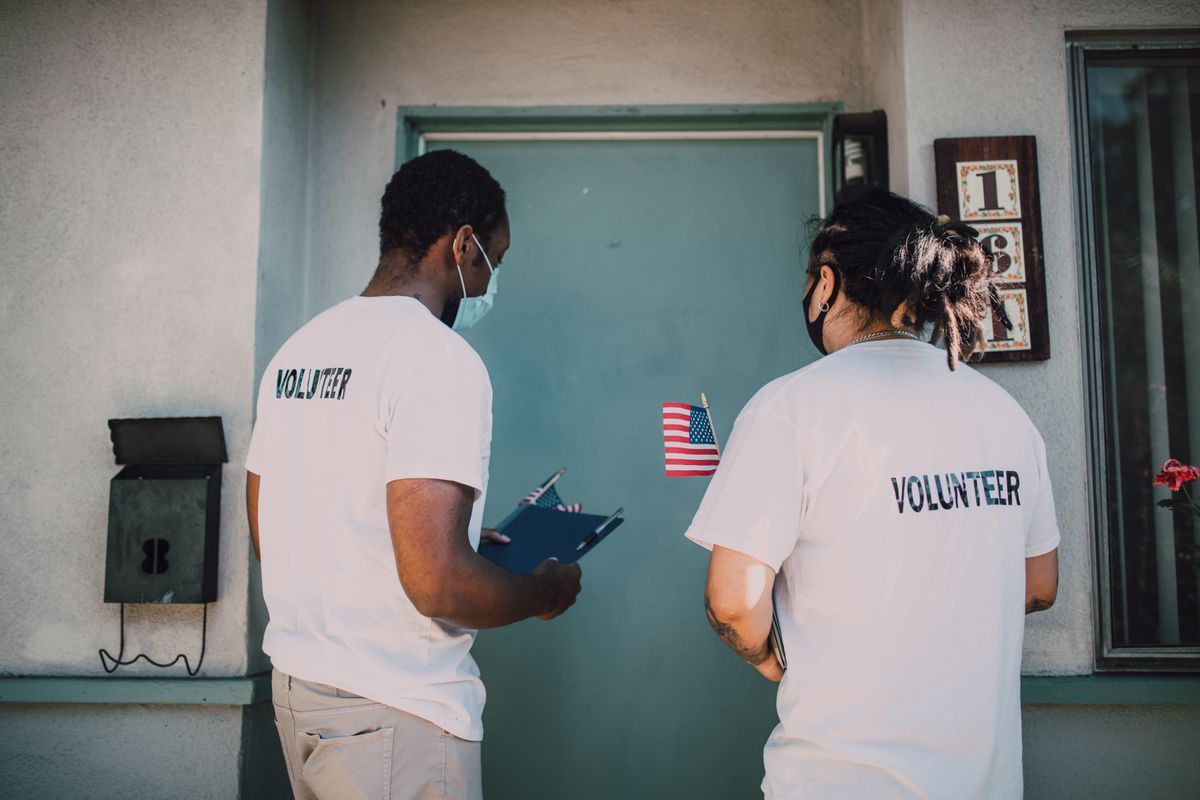
Why Volunteering Is One of the Most Underrated Ways to Meet People
Volunteering for a cause you believe in creates the conditions for friendship faster than almost any other social activity. Here's the psychology behind why it works.
FirstMove Team
28 October 2025 · 7 min read
If you asked most people for their top recommendations for meeting people as an adult, volunteering would probably not make the list. Running clubs, friendship apps, Meetup groups — these are the answers most people give. Volunteering is underrepresented in the conversation, despite consistent evidence that it's one of the more reliable routes to genuine adult friendship.
The reason it works is not simply that it involves being in a room with people. It's that it creates the specific conditions that friendship formation research identifies as most productive: shared purpose, regular contact, and the kind of mild investment in something beyond your individual self that creates bonds quickly.
The Shared Purpose Effect
One of the most consistent findings in the social bonding research is the importance of shared purpose. When people are working towards the same goal — however small — they bond faster and more durably than people who share an interest without any shared objective.
The distinction is subtle but real. A group of people who all enjoy photography are connected by shared interest. A group of people who are working together to document a community for a charity project share purpose. The second group bonds faster. The shared stakes and the shared direction create a "we" that shared interest alone doesn't produce.
Volunteering provides shared purpose as a matter of design. You're there to do something, not just to be together. The work creates conversation, creates shared experience, and creates a sense of mutual investment in an outcome beyond individual social success.
Regular Contact and Reliability
The friendship research is clear on the importance of repetition: friendship forms through accumulated contact over time, not through occasional intense encounters. Volunteering at a regular commitment — weekly, fortnightly, monthly — creates exactly this structure. You encounter the same people repeatedly, in a context with clear shared purpose, over a sustained period.
By the fourth or fifth volunteering session, familiar faces have developed. By the twentieth, genuine friendships have often formed — not because anyone was trying to make friends, but because the conditions were in place. This is the same mechanism that makes running clubs work, and sporting teams, and any other recurring activity with stable membership.
The Character Signal
There is a subtle but real social dynamic that operates in volunteering environments: the fact that everyone there has chosen to be there for a reason other than social advancement or personal benefit signals something about their character. The person who volunteers at a food bank, a community garden, or a conservation project has demonstrated — through the act of showing up — that they're willing to invest their time in something beyond themselves.
This creates a social environment with slightly different norms from general socialising. Trust develops a little faster. Conversations go to genuine things a little more readily. The shared act of giving creates a context where generosity is the norm, which tends to produce the kind of relationships where people look out for each other.
How to Find Volunteering That Produces Friendship
The specifics matter. Volunteering for a cause where your role is isolated — processing donations alone in a warehouse, data entry, individual tasks — produces less social connection than volunteering in a team setting with direct interaction.
Charities with regular volunteer programmes (regular weekly sessions with a stable team) produce more social connection than one-off events with different people each time. The regularity creates the familiarity; the stability creates the repeated contact.
Volunteering for something you genuinely care about rather than something strategically social means you'll keep going when the social payoff isn't immediate, which is when the friendship-generative work is actually happening.