
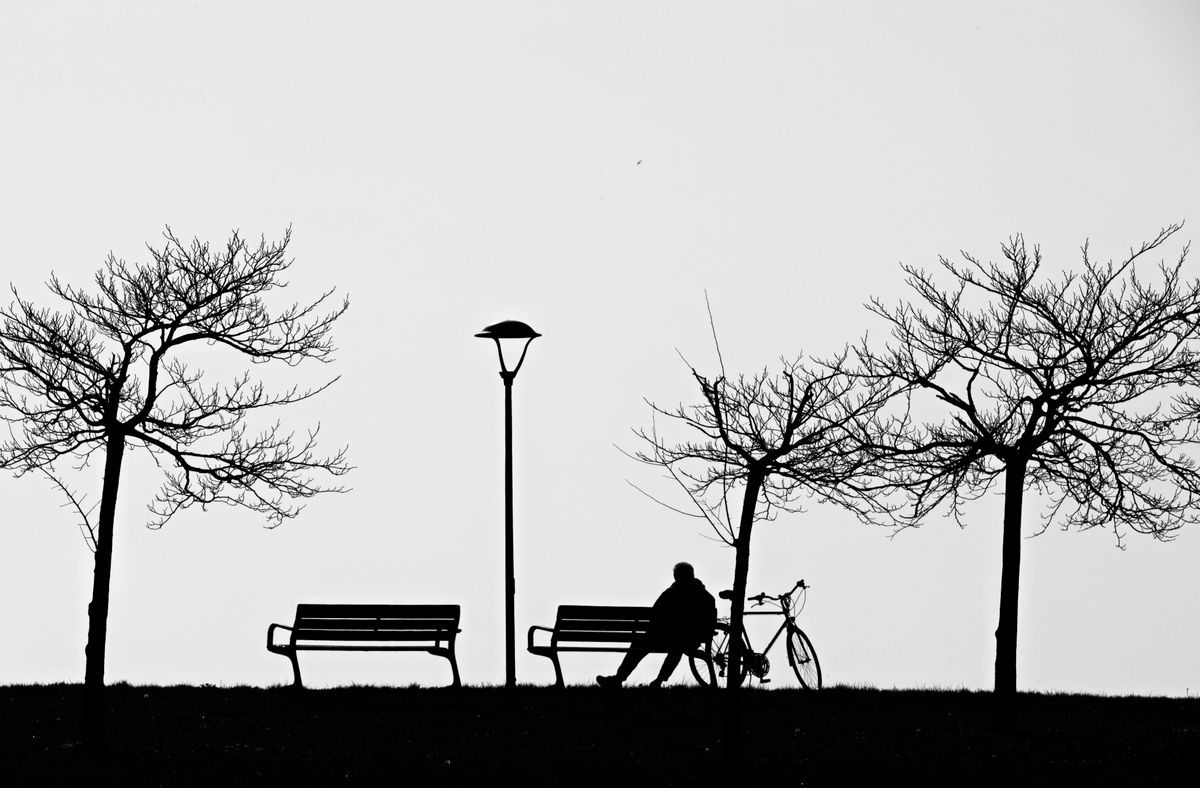
Alone vs Lonely: What's the Difference (And How to Tell)?
Solitude is a resource. Loneliness is a signal. Treating them as the same thing is one of the more productive confusions in adult mental health.
FirstMove Team
14 November 2025 · 7 min read
There's a conflation in popular culture between being alone and being lonely that does a fair amount of psychological damage. Films, social media, and ambient cultural messaging treat solitude as inherently sad — as a problem to be solved, a state that signals something missing. This is not only empirically incorrect; it's counterproductive for the significant proportion of people for whom being alone is a preference rather than a deprivation.
Being alone and being lonely are different phenomena with different causes, different effects, and different responses. Treating them as the same thing produces bad advice for people who are lonely (telling introverts to socialise more is not the solution to loneliness) and unnecessary anxiety for people who aren't (making people who prefer solitude feel defective). It's a close cousin to the distinction between social isolation and the subjective experience of loneliness.
What Solitude Actually Is
Solitude — chosen time alone — is associated in research with a range of positive outcomes that are the opposite of what popular culture suggests. Creative work tends to be done alone. Deep thought tends to happen alone. Emotional processing — the kind that requires being with your own responses rather than managing others' — tends to require solitude. Many of the most cognitively and emotionally productive states are incompatible with constant social presence.
Research by Reed Larson at the University of Illinois found that adolescents who spent time alone (not due to rejection, but by preference) showed higher levels of concentration and emotional stability compared to those who didn't. Subsequent research on adults has replicated the finding that voluntary solitude, clearly distinguished from loneliness, is associated with wellbeing rather than against it.
The key word is voluntary. Chosen aloneness — when you could be with people but prefer not to be — is a fundamentally different experience from unchosen aloneness — when you want connection but can't access it. The psychology and the health effects are different. Studies that conflate the two often produce confused findings.
What Loneliness Actually Is
Loneliness, properly understood, is the subjective experience of a gap between the social connection you want and the social connection you have. It's not about the objective amount of time you spend alone. It's about whether your social needs — whatever level those needs are — are being met.
This is why a person who spends most of their time alone can report very low levels of loneliness (their social needs are modest and met) while a person who feels lonely even when around people — at a party, in a busy family home, in an open-plan office — can report very high levels of loneliness (their social needs are higher, or the connections available aren't the right kind).
Loneliness is a signal. Like hunger or pain, it's a signal that something is needed — not a character flaw, not an intrinsic problem with being alone. It's the body's way of communicating that social connection is currently insufficient relative to need. The appropriate response to loneliness is not shame but investigation: what is needed, and where might it be found?
Why the Distinction Matters for Mental Health
The conflation of alone and lonely matters clinically because they require different responses. If you're lonely, the appropriate response involves increasing the quality or quantity of social connection in some form. If you're not lonely but simply alone and comfortable, the appropriate response is nothing — except perhaps to give yourself permission to enjoy it.
The cultural assumption that solitude is inherently sad causes real harm for introverts who could be making friends differently and then feel bad about it because they're supposed to. It causes comparable harm when well-meaning people respond to loneliness by pushing more social contact — which misses the point entirely if the lonely person is already surrounded by people who don't provide the kind of connection they need.
Recognising Which State You're In
The question that distinguishes them is not "am I spending a lot of time alone?" It's "am I getting enough of what I actually need from my social connections?" Someone who spends most evenings alone but has two or three deeply satisfying friendships they see regularly may be meeting their social needs entirely. Someone who goes to three social events a week but comes home from each of them feeling more empty than before may be chronically lonely.
If you're genuinely lonely — if the gap between the connection you have and the connection you want is persistently uncomfortable — the response should be targeted at quality and context, not just quantity. More contact is not always the answer. Better contact usually is, and the difference between acquaintances and real friends is often where the gap actually sits.
And if you're alone and content, the most useful thing is probably to ignore the cultural noise that says you should want more, and use the solitude for whatever it's good for.